






Filling Machine Collection
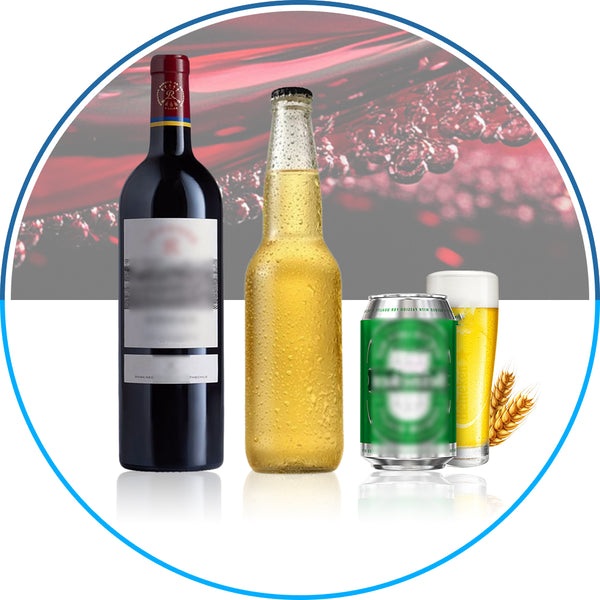
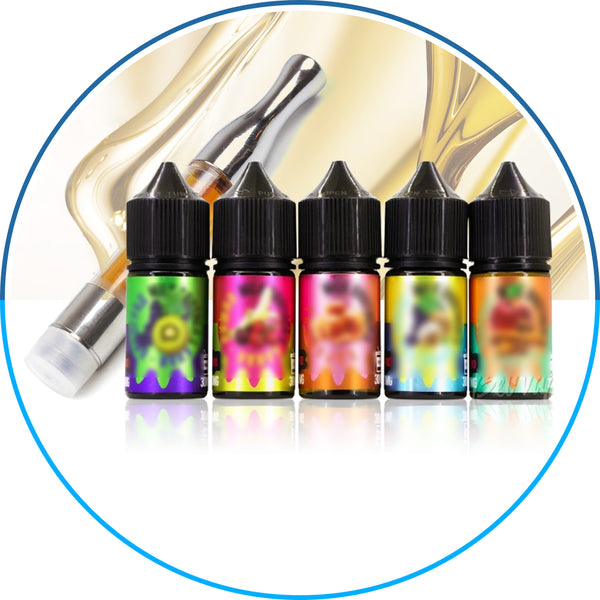
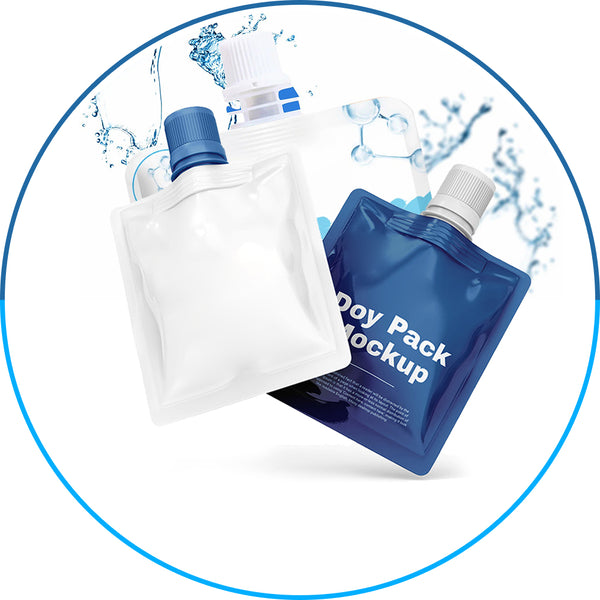
Full Automatic Packaging Solution


ZONESUN Filling Machine
📌 What You'll Learn
Filling machines are the backbone of modern packaging lines. This guide covers what they are, how pump types and automation levels affect your choice, what materials and containers they handle, and how to select the right solution for your production needs.
📖 Table of Contents
What Is a Filling Machine?
A filling machine — also known as a filling system or dispenser — is a specialized device used to accurately deliver a set amount of product into a designated container. Whether handling free-flowing liquids, viscous pastes, or dry powders, these machines play a vital role across food and beverage, pharmaceuticals, cosmetics, and chemical industries.
By ensuring precise volume control, filling machines help maintain product consistency, reduce material waste, and significantly increase production efficiency. Depending on the product’s nature, filling systems can be tailored to handle bottles, jars, tubes, pouches, and various other packaging formats. ZONESUN leverages continuous R&D investment and extensive industry experience to provide global customers with dependable, flexible, and customizable filling solutions.
Filling Machine Pump Types and Applications
The heart of a filling machine lies in its pumping system, which dictates its suitability for different product viscosities and filling requirements. Choosing the right pump type is the first step in selecting the right filling equipment.
- Piston Pumps — High-accuracy volumetric filling for liquids, gels, and pastes like sauces, creams, and pharmaceutical syrups.
- Peristaltic Pumps — Ideal for sensitive or corrosive liquids, preventing contamination; widely used in biotech and pharmaceutical industries.
- Gear Pumps — Designed for medium to high viscosity liquids such as oils and lotions, offering smooth, pulse-free flow.
- Diaphragm Pumps — Best for abrasive or hazardous materials like paints and inks; prevents product contact with mechanical parts.
- Rotary Lobe Pumps — Gentle handling of viscous, shear-sensitive products with particulates, such as fruit purees and yogurt.
- Gravity Pumps — Cost-effective solution for non-viscous liquids like water, juices, and perfume, utilizing gravity for filling.
- Auger Pumps — Ideal for powders and granules like flour, spices, and protein powders, using a screw mechanism for accurate and consistent filling.

Operational Modes: Manual, Semi-Automatic, and Automatic
Filling equipment comes in various operational modes to suit different production scales and automation requirements. Choosing the right level of automation directly impacts your labor costs, throughput, and long-term ROI.
- Manual Filling Machines — Operator-controlled, ideal for small-batch production, labs, or startups seeking cost-effective flexibility. Low investment, simple operation.
- Semi-Automatic Filling Machines — A mix of manual and automated operation, boosting efficiency and accuracy for growing businesses without the full cost of automation.
- Automatic Filling Machines — Fully automated for high-volume production, ensuring precision, speed, and minimal human intervention. The standard for industrial-scale packaging lines.
Common Materials Handled
The versatility of filling equipment is evident in the vast array of materials it can process. ZONESUN filling machines are engineered to handle:
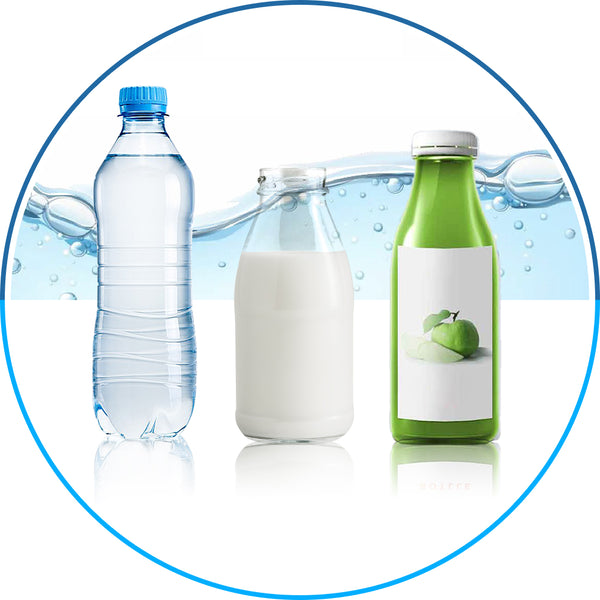
- Liquids — Water, juices, soft drinks, milk, edible oils, sauces, syrups, honey, alcohol, cleaning solutions, chemicals, pharmaceuticals (eye drops, cough syrup), cosmetics (toners, perfumes).
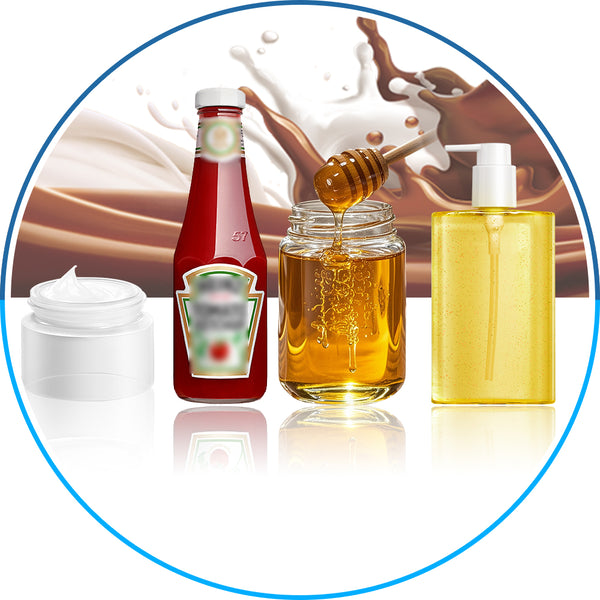
- Pastes & Gels — Creams, lotions, ointments, toothpaste, mayonnaise, mustard, ketchup, jams, jellies, chocolate spreads, butter, paints, caulks, glues, shampoo, conditioner, hand sanitizer, liquid soap.
- Semi-Solids with Particulates — Soups, stews, yogurts with fruit pieces, chunky sauces.
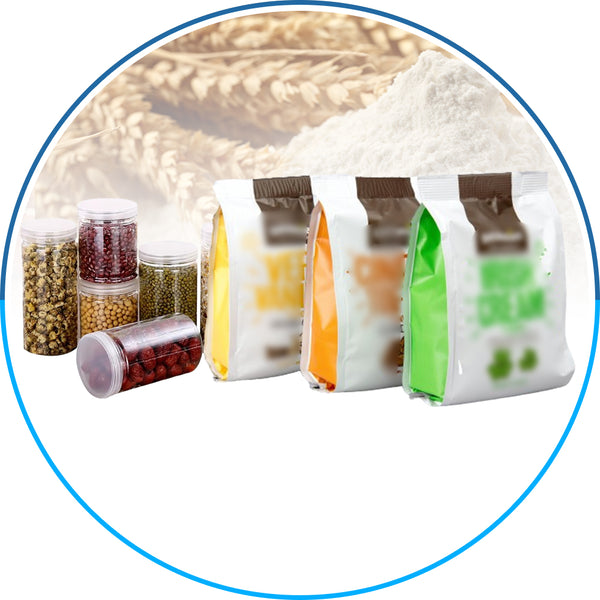
- Powders & Granules — Flour, coffee powder, protein powder, spices, sugar, salt, baking soda, pharmaceutical powders, detergent powder, tea leaves, fertilizer granules, nutritional supplements.
Common Container Types
Filling machines are designed to accommodate a diverse range of container types and sizes, enhancing production line flexibility:
- Bottles — Plastic (PET, HDPE, PVC) and glass in various shapes and sizes for beverages, pharmaceuticals, cosmetics, and household products.
- Jars — Glass and plastic jars for creams, food spreads, condiments, and powders.
- Pouches / Bags — Flexible pouches for liquids, sauces, pet food, and single-serve products.
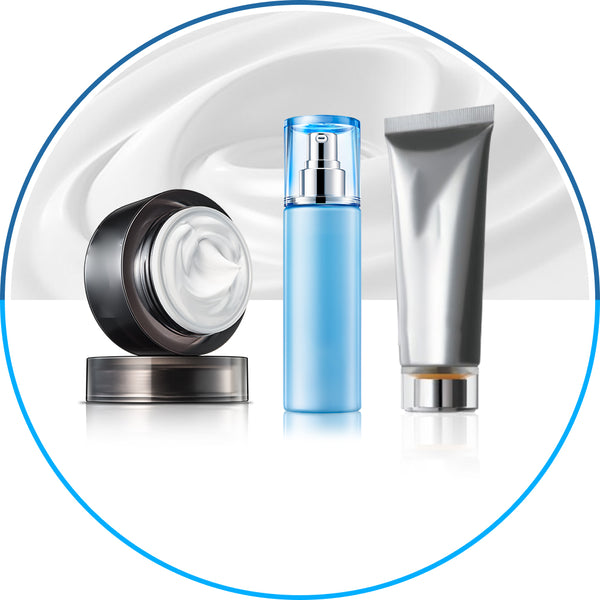
- Tubes — Plastic or laminate tubes for toothpaste, ointments, and cosmetic creams.
- Cans — Metal cans for beverages, food, and industrial products.
- Vials / Ampoules — Small glass containers for pharmaceutical injections and diagnostic reagents.
Advantages by Filling Machine Type
Different filling machine types offer unique benefits, making them suitable for specific applications:
- Volumetric Filling Machines — High accuracy by dispensing a fixed volume. Ideal for consistent fills of liquids and pastes, minimizing product giveaway (e.g., piston fillers for pharmaceuticals).
- Weight Filling Machines — Fill containers to a precise weight, excellent for high-value products or when product density can vary (e.g., large-format industrial containers).
- Overflow Filling Machines — Fill containers to a consistent visual level regardless of volume variation; ideal for clear bottles where appearance matters (e.g., cleaning products, beverages).
- Vacuum Filling Machines — Use negative pressure to draw liquid into containers, preventing air bubbles and foam; the standard for perfume, wine, and sensitive liquid filling.
- Auger Filling Machines — Precise powder and granule filling using a rotating screw mechanism; essential for food, pharma, and chemical powder packaging.
How to Choose the Right Filling Machine
Selecting the right filling machine starts with understanding your product — its viscosity, sensitivity, and whether it contains particulates. From there, match the pump type to the product characteristics, and the automation level to your production volume and labor budget.
Consider your container format (bottle, jar, pouch, tube, or can) and whether the machine needs to integrate with upstream or downstream equipment such as capping machines, labeling machines, or conveyors. Finally, verify that the machine meets relevant certifications — CE, ISO, or GMP — for your target market. Choosing the right filling technology reduces waste, improves product consistency, and stabilizes production performance over the long term.
Applications by Industry
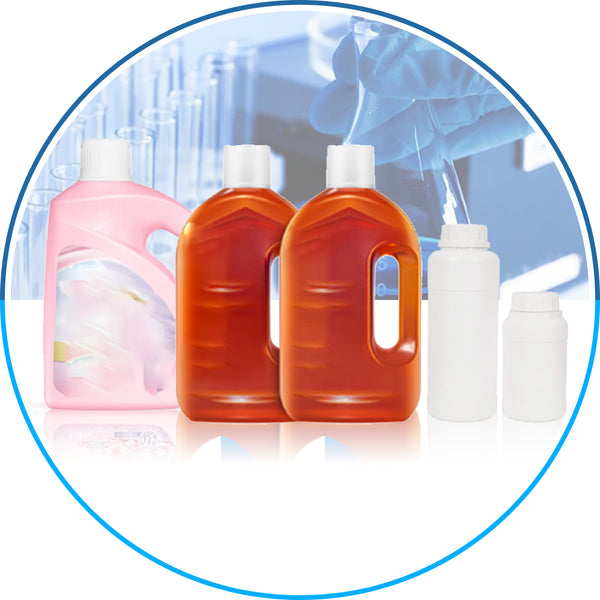
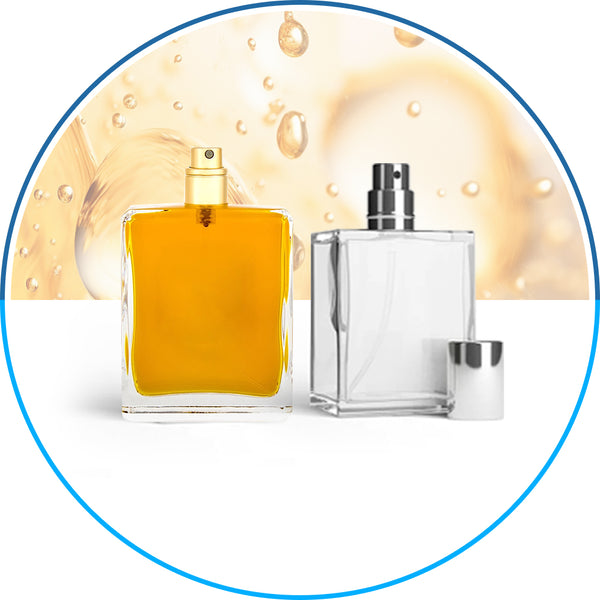
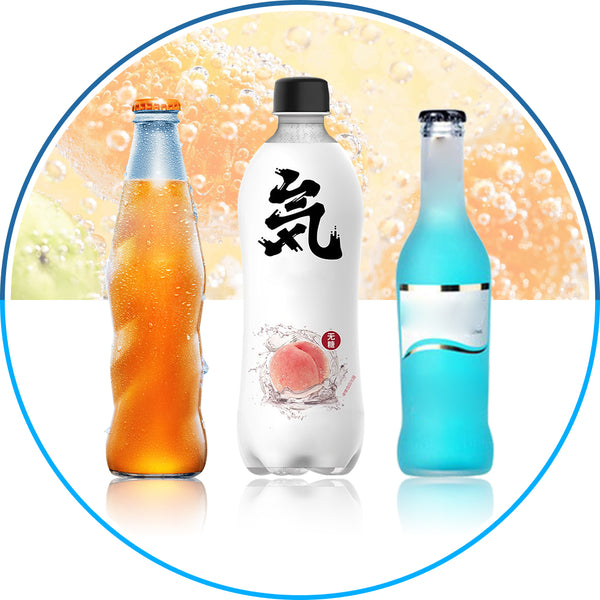
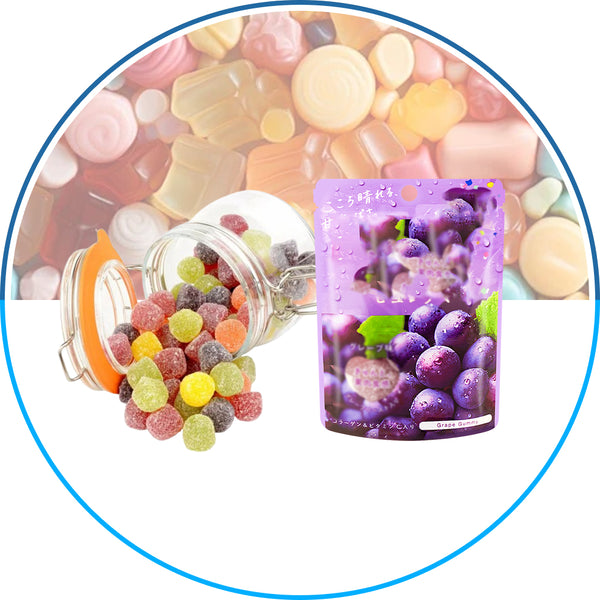
Filling machines serve a broad range of industries. In food and beverage, they fill bottles, jars, pouches, and cans with liquids, sauces, powders, and granules. For cosmetics and personal care, they handle creams, serums, shampoos, perfumes, and lotions across bottles, tubes, and pouches. In pharmaceuticals and healthcare, they provide precise, hygienic filling for syrups, eye drops, ointments, and powder capsules. For household and chemical products, they fill detergents, cleaning liquids, paints, and industrial chemicals into bottles, cans, and drums.
Why Choose ZONESUN Filling Machines
ZONESUN provides a comprehensive range of filling machines and customized packaging solutions designed for real production environments. Our advantages include multiple pump technologies for different product viscosities, strong engineering customization capability, modular and scalable machine design, ISO quality management certification, CE-certified product series, and global technical support. We deliver not only equipment, but complete packaging automation solutions — from single filling machines to fully integrated production lines.
Need Help Choosing a Filling Machine?
Share your product type, viscosity, container format, and expected output — our engineering team will recommend the most suitable filling solution for your production line.