
Liquid Filling Machine















Liquid Filling Machine — Practical Usage and Selection Guide
📌 What You'll Learn
Liquid filling machines are essential in modern packaging. This guide covers what they are, the main types, key selection criteria, and why the right machine matters for your production line — whether you're in food, cosmetics, pharma, or chemicals.
📖 Table of Contents

What Is a Liquid Filling Machine?
A liquid filling machine is a packaging machine used to dispense precise volumes of liquid products into containers. Depending on production scale and automation level, it may operate as a standalone filler or as part of a complete automated packaging line together with capping, labeling, sealing, and inspection systems.
Core functions include accurate and consistent volume control, stable continuous performance, reduction of leakage and product waste, and compliance with hygiene and safety standards. Liquid filling machinery is widely used across food and beverage, cosmetics, pharmaceuticals, household chemicals, and industrial applications — and different product characteristics require different filling technologies, which makes proper machine selection especially important.

Types of Liquid Filling Machines
Liquid filling machines are categorized based on their filling principle, viscosity compatibility, and level of automation.
Gravity Liquid Filling Machines are ideal for low-viscosity, free-flowing liquids such as water, juice, alcohol, and cleaning solutions. They feature a simple structure, stable performance, and provide a cost-effective solution for basic filling needs.
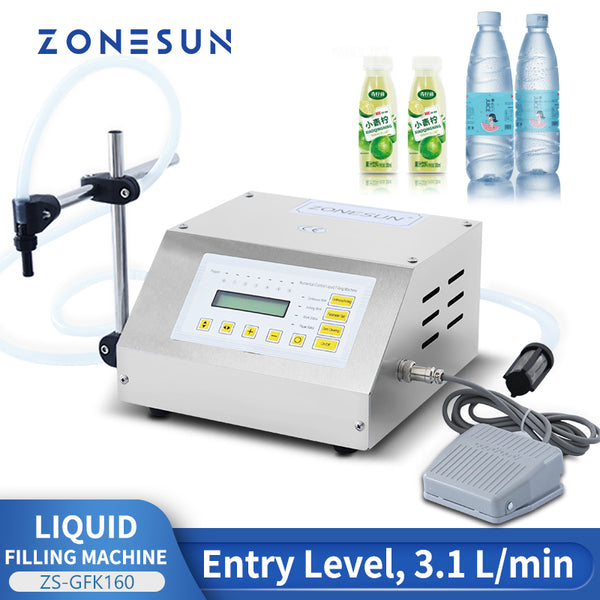
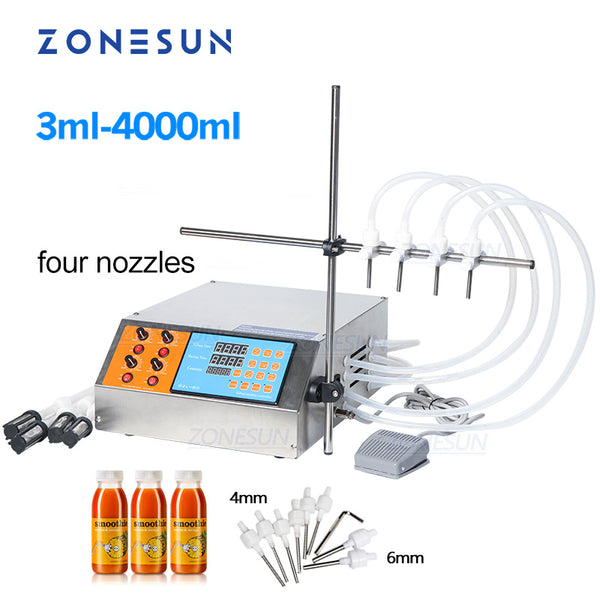
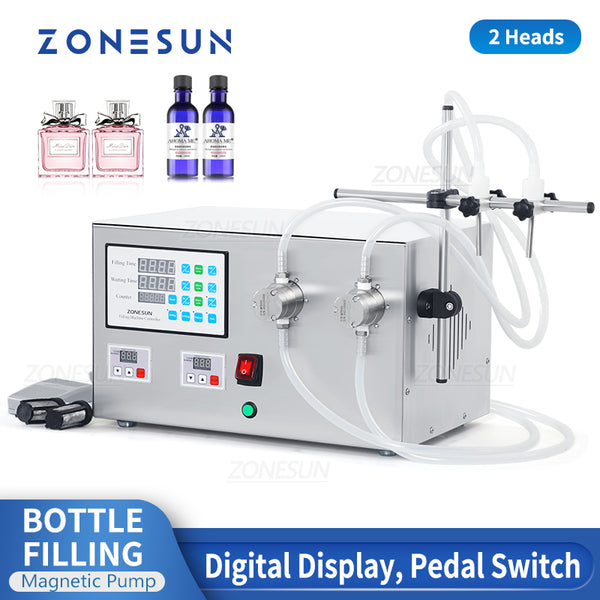
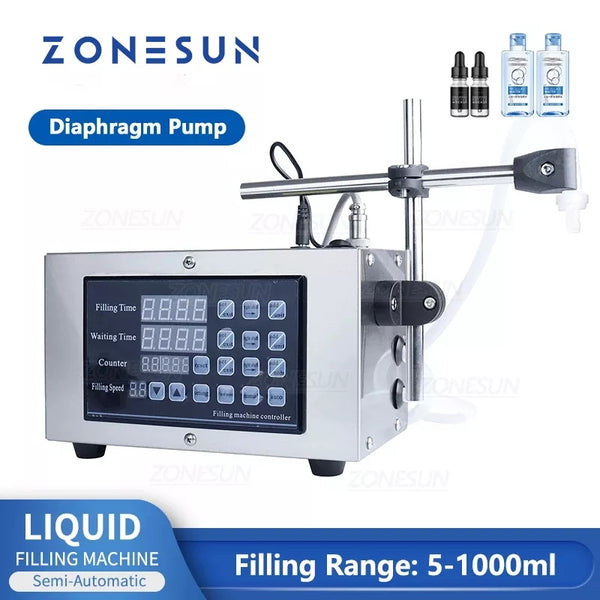
Pump Liquid Filling Machines utilize gear pumps, peristaltic pumps, or diaphragm pumps to handle a wide range of liquids. Commonly used for cosmetics, serums, essential oils, fragrances, chemicals, and pharmaceutical liquids, these machines offer flexible volume control and strong compatibility with various liquid types.
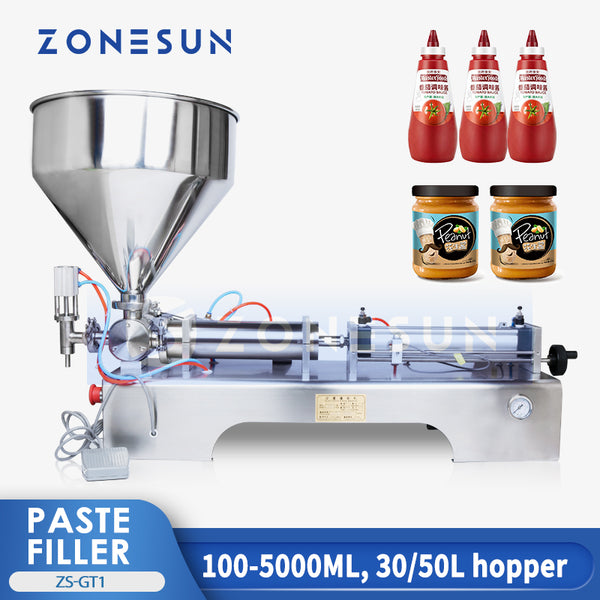
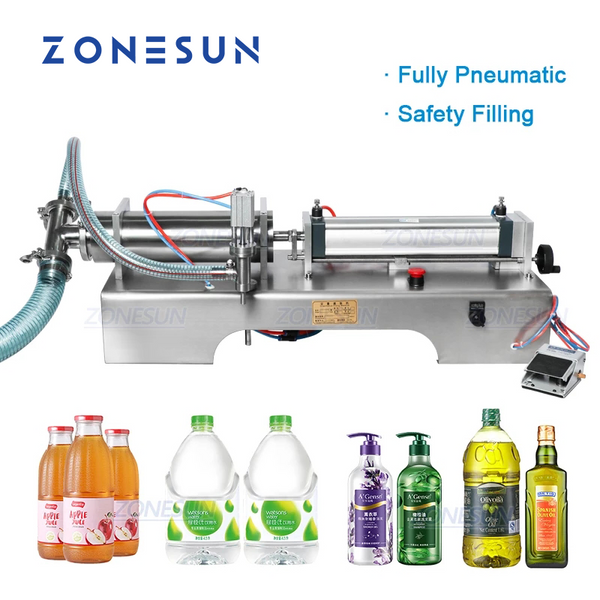
Piston Liquid Filling Machines are designed for medium- and high-viscosity products, including shampoo, lotion, cream, gel, sauces, syrup, honey, and viscous emulsions. They provide high filling accuracy and perform exceptionally well with thicker materials.
Overflow / Level Filling Machines maintain a consistent liquid level in bottles, making them ideal for beverages, cosmetic liquids, and cleaning chemicals. These machines ensure a visually uniform bottle appearance, especially suitable for transparent containers.
Weighing Liquid Filling Machines are recommended for high-value liquids, industrial chemicals, or applications requiring strict accuracy. Using weight-based control, they deliver excellent repeatability and precise filling for demanding production environments.

Semi-Automatic vs Automatic Liquid Filling Machines
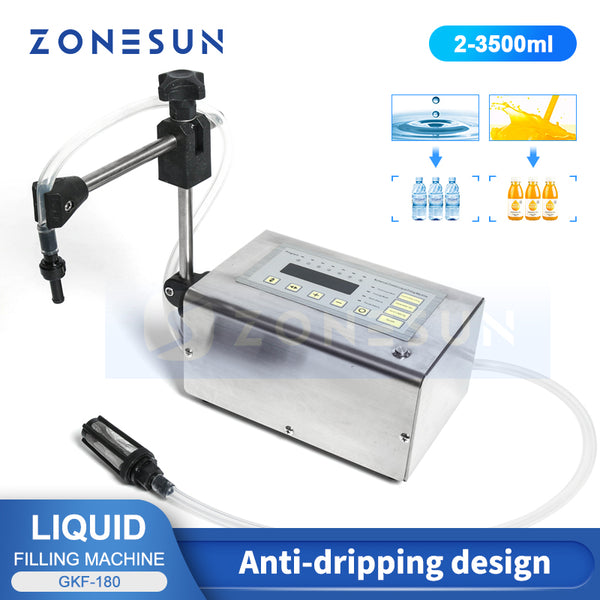
Semi-Automatic Liquid Filling Machines are ideal for small-batch production, laboratories, startups, and pilot production. They offer a lower investment cost and flexible operation, making them suitable for businesses that require precision in small-scale or experimental runs.
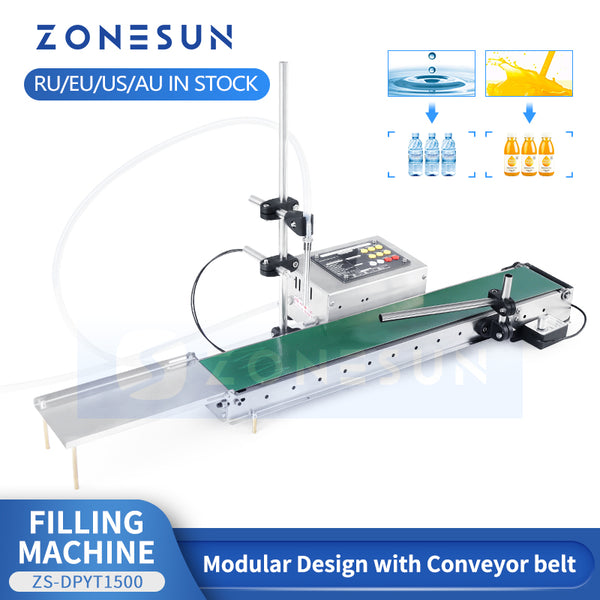
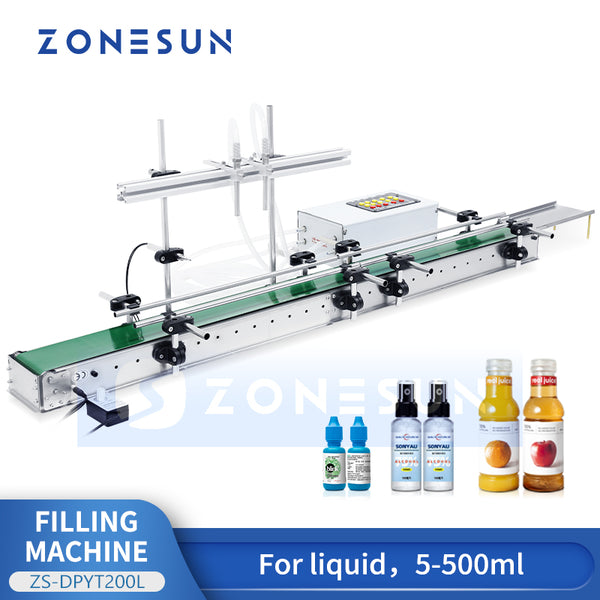
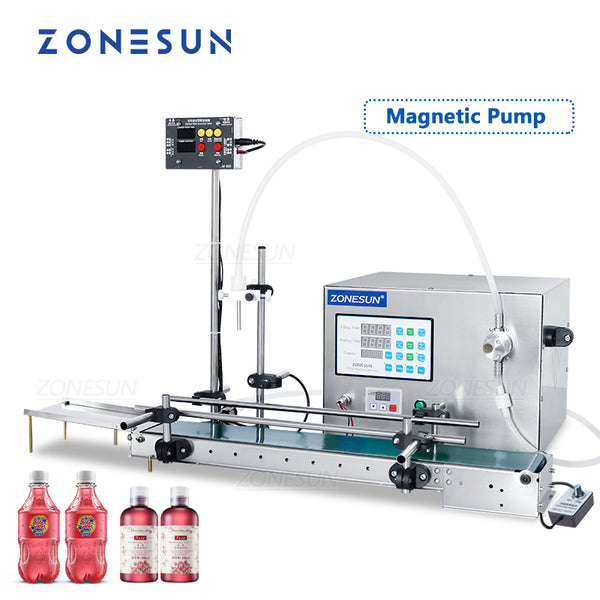
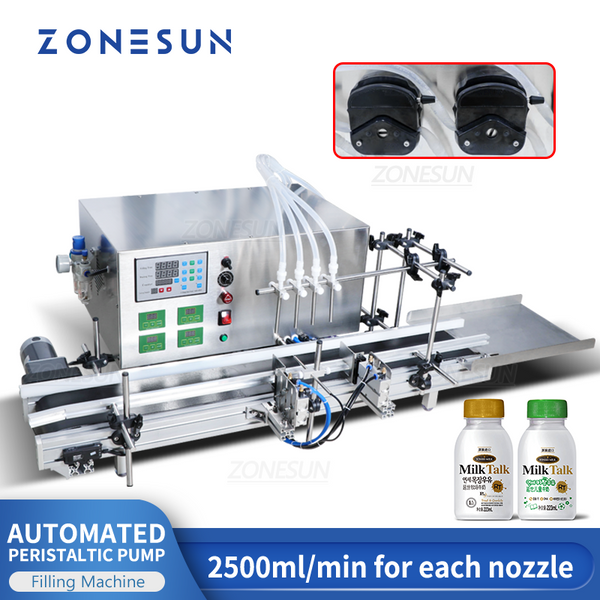
Automatic Liquid Filling Machines are designed for continuous industrial production. Equipped with conveyor systems, bottle positioning devices, and multi-head filling options, these machines deliver higher efficiency, reduce labor requirements, and provide scalable capacity to meet growing production demands.
Key Features of a High-Quality Liquid Filling Machine
A professionally engineered filling machine typically includes a high-precision dosing system (pump, piston, or servo-driven), drip-proof and anti-foam filling nozzles, stainless steel product-contact parts (SS304 or SS316L), quick-change parts for different bottle sizes, and a sanitary structure with optional CIP cleaning. These features ensure durable long-term operation, reduced changeover downtime, and compliance with international standards.
How to Choose the Right Liquid Filling Machine
Selecting the right machine starts with understanding your liquid. Viscosity, foaming behavior, corrosiveness, and the presence of particles or fibers all determine which filling technology is appropriate. From there, consider your container — bottle material, shape, volume range, and neck size — as well as your production requirements: target output, accuracy tolerance, and desired automation level.
Integration needs matter too. If you plan to connect the filler to capping, labeling, or sealing equipment, compatibility with a complete packaging line should be evaluated from the start. Finally, verify that the machine meets relevant certifications — CE, ISO, GMP, or industry-specific standards — for your target market. Choosing the right filling technology helps reduce waste, improve product quality, and stabilize production performance.

Applications by Industry
Liquid filling equipment serves a broad range of industries. In food and beverage, it handles water, sauces, condiments, and edible oil. For cosmetics and personal care, it fills lotion, serum, shampoo, toner, and essence. In pharmaceuticals and healthcare, it dispenses liquid medicine, syrups, and disinfectant solutions. And for household and chemical products, it packages detergents, cleaning liquids, and industrial chemicals. Each application requires a different filling solution depending on viscosity and production requirements.
Advantages of Automated Liquid Filling Machines
Upgrading to automated liquid filling equipment delivers higher filling accuracy and repeatability, increased production efficiency, reduced manual operation and labor cost, improved packaging consistency and brand quality, better hygiene and safety control, and flexible scalability for future expansion. For most growing operations, the return on investment is realized quickly through reduced waste and higher throughput.

Why Choose ZONESUN Liquid Filling Machines
ZONESUN provides a comprehensive range of liquid filling machines and customized filling solutions designed for real production environments. Our advantages include multiple filling technologies for different liquid types, strong engineering customization capability, modular and scalable machine design, ISO quality management certification, CE-certified product series, and global technical support. We deliver not only equipment, but complete packaging automation solutions.
Need Help Choosing a Liquid Filling Machine?
Share your product type, viscosity range, container specs, and expected output — our engineering team will recommend the most suitable solution.